The Benefits of Mindfulness in Fitness
In an increasingly hectic world, the integration of mindfulness into fitness practices is gaining momentum. Mindfulness, the art of being present and fully engaging with the moment, can significantly enhance one’s fitness journey. Not only does this approach lead to improved mental well-being, but it also cultivates a deeper connection with the body, enhancing overall performance. As we look towards 2026, the benefits of mindfulness in fitness can no longer be overlooked. Incorporating techniques that foster this awareness can help individuals reach their wellness goals more effectively. When exploring options, koiaminos.com/catalog/mots-c provides comprehensive insights into how mindfulness can be seamlessly integrated into fitness regimens.
Understanding Mindfulness and Its Role in Health
Mindfulness involves maintaining a moment-by-moment awareness of thoughts, feelings, bodily sensations, and the surrounding environment. This practice has roots in ancient meditation techniques but has recently become a foundational component of various wellness strategies. In terms of health, mindfulness can lead to reduced stress, better management of anxiety, and improved focus. When applied to fitness, it encourages participants to listen to their bodies, make informed choices, and enhance their overall workout experience.
Common Myths About Mindfulness in Fitness
Despite its benefits, mindfulness is often surrounded by misconceptions. One prevalent myth is that mindfulness necessitates extensive meditation practices. In reality, mindful fitness can be as simple as focusing on your breath during a workout or being aware of how your body feels during physical activity. Another myth is that mindfulness leads to slower workouts. However, incorporating mindfulness can actually enhance performance by increasing concentration and optimizing movement.
Practical Tips to Incorporate Mindfulness into Your Routine
- Focus on Breathing: Take a few moments to breathe deeply, inhaling and exhaling slowly to ground yourself before starting your workout.
- Engage Your Senses: Pay attention to the sounds, smells, and sensations around you while exercising to deepen your connection to the moment.
- Set Intentions: Begin each workout with a clear intention or goal, which can help to maintain focus throughout your session.
Exploring Different Fitness Modalities
Understanding the various approaches to fitness can help practitioners determine what resonates with them. Each fitness modality offers unique benefits and ways to integrate mindfulness.
Yoga: Enhancing Flexibility and Mental Clarity
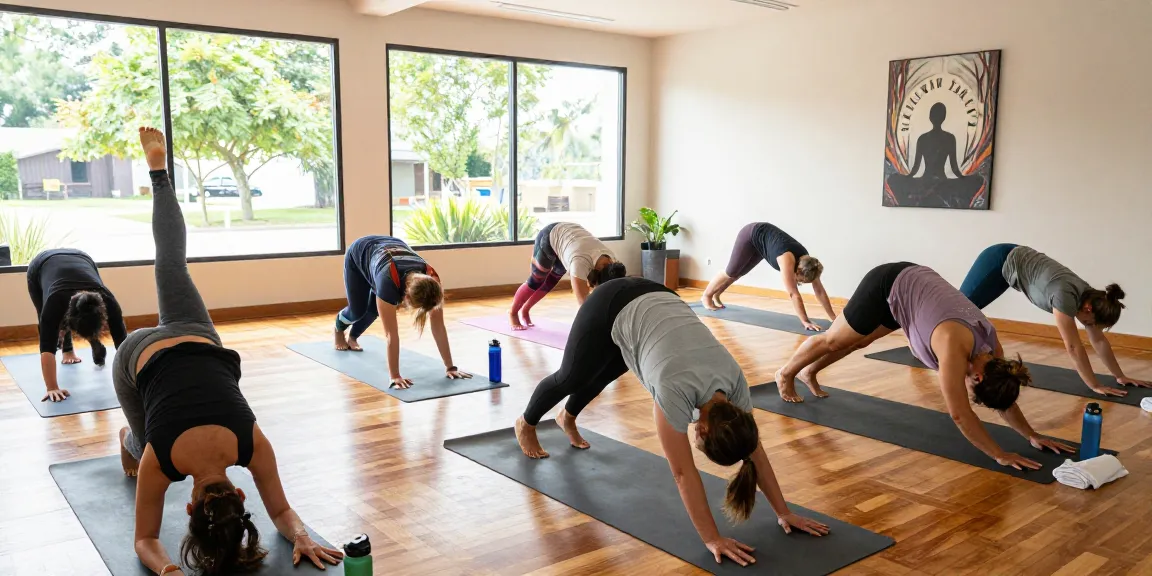
Yoga is synonymous with mindfulness, often practiced in environments designed to foster a calm, reflective state. It combines physical poses, controlled breathing, and meditation to promote balance, flexibility, and strength. Regular practice can lead to better mental clarity and stress reduction, making it a quintessential activity for those looking to enhance their fitness through mindfulness.
Pilates: Building Core Strength and Stability
Pilates emphasizes alignment, balance, and controlled movements. This precision in practice encourages participants to focus deeply on their movements, fostering a strong mind-body connection. By concentrating on proper form and alignment, practitioners engage in a mindful exercise that builds core strength and stability while promoting mental focus.
High-Intensity Training: Combining Mind and Body
High-Intensity Interval Training (HIIT) is another effective fitness modality that can incorporate mindfulness. Although the pace is fast, practitioners can benefit from being mindful of their form, breath, and the sensations in their bodies. This heightened focus not only enhances physical performance but also ensures that individuals practice safely and effectively, minimizing the risk of injury.
Nutrition Strategies for Optimal Wellness
Nutrition is a crucial aspect of any fitness journey. Combining mindful eating practices with a balanced diet can significantly enhance results.
The Importance of Nutrition in Your Fitness Journey
Proper nutrition supports energy levels, aids in recovery, and fuels workouts. Mindful eating involves being aware of food choices and portion sizes, as well as savoring each bite. This practice encourages a healthy relationship with food, which is essential for maintaining overall wellness.
How to Choose the Right Supplements
With an array of supplements on the market, making informed decisions is vital. Consider your fitness goals, dietary restrictions, and health conditions when selecting supplements. Consulting with a healthcare provider can also provide personalized recommendations tailored to individual needs.
Meal Prep Techniques for Busy Lifestyles
- Batch Cooking: Prepare large quantities of food at once to save time during the week.
- Portion Control: Use containers to portion out meals ahead of time, ensuring balanced and mindful eating.
- Plan Your Meals: Create a weekly menu, allowing for mindful selections that align with nutritional goals.
Tracking Your Progress Effectively
Monitoring progress is essential for motivation and adjustment of fitness goals. However, it’s important to approach this aspect mindfully.
Setting Realistic Goals in Wellness
Setting SMART goals (Specific, Measurable, Achievable, Relevant, Time-bound) is key in any fitness journey. Mindfulness in goal setting can help individuals focus on what they truly want to achieve, ensuring the goals are aligned with personal values and lifestyle.
Using Technology to Monitor Fitness and Nutrition
Wearable fitness trackers and nutrition apps can help individuals keep a detailed log of their workouts and dietary intake. While technology can provide valuable insights, it’s important to maintain a mindful approach and avoid becoming overly fixated on numbers. Balance is essential to sustain a healthy relationship with fitness tracking.
Evaluating Your Progress: Metrics that Matter
- Physical Measurements: Track weight, body measurements, and fitness levels to understand physical changes.
- Emotional Well-Being: Note improvements in mood, stress levels, and overall happiness as indicators of success.
- Performance Metrics: Assess improvements in strength, endurance, and flexibility as tangible signs of progress.
The Future of Wellness Trends for 2026 and Beyond
As we move towards 2026, the landscape of wellness will continue to evolve, influenced by advancements in technology and shifts in societal perspectives.
Emerging Technologies in Health and Fitness
Wearable technology is set to become more sophisticated, offering real-time feedback and personalized insights. Innovations like augmented reality (AR) and virtual reality (VR) are also anticipated to reshape fitness experiences, making workouts more engaging and accessible.
Community Support and Its Impact on Personal Growth
As people increasingly seek community connection, online fitness groups and local wellness communities will play a vital role in motivation and accountability. Mindfulness in group settings allows individuals to support each other while embarking on personal growth journeys.
Sustainable Practices in Wellness
With growing awareness around environmental issues, sustainable fitness practices will gain traction. This includes eco-friendly workout gear, plant-based nutrition, and community fitness initiatives that prioritize environmental conservation.
What are the benefits of combining fitness with mindfulness?
Combining fitness with mindfulness leads to improved mental clarity, reduced stress, enhanced physical performance, and a more profound connection with one’s body.
How can I start incorporating mindfulness in my workouts?
Begin with simple breathing exercises, set clear intentions before each workout, and consciously engage with your senses during your exercises.
What nutrition strategies can enhance my fitness efforts?
Adopt mindful eating practices, choose the right supplements based on your goals, and efficiently prepare meals that align with nutritional requirements.
How do I effectively track my wellness journey?
Implement SMART goals, utilize technology mindfully, and focus on metrics that encompass both physical and emotional indicators of progress.
What are the key wellness trends expected in 2026?
Key trends will likely include advancements in wearable technology, a greater emphasis on community engagement, and an increased focus on sustainable practices within the wellness industry.